
Large Mutton Snapper Catch Key Largo FL
Mutton Snapper Fishing in Key Largo - What to Expect
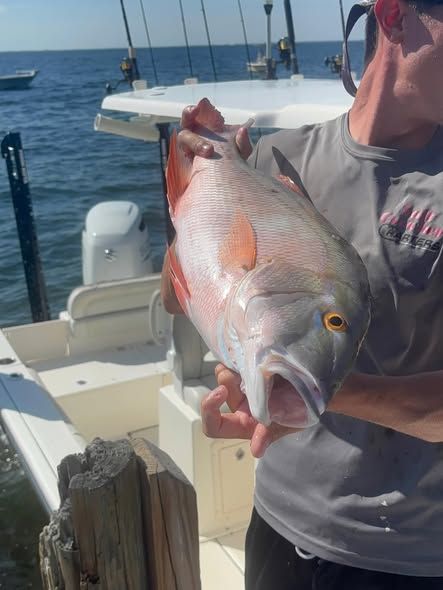
Fishing Charter by Captain Jason Calhoun in June
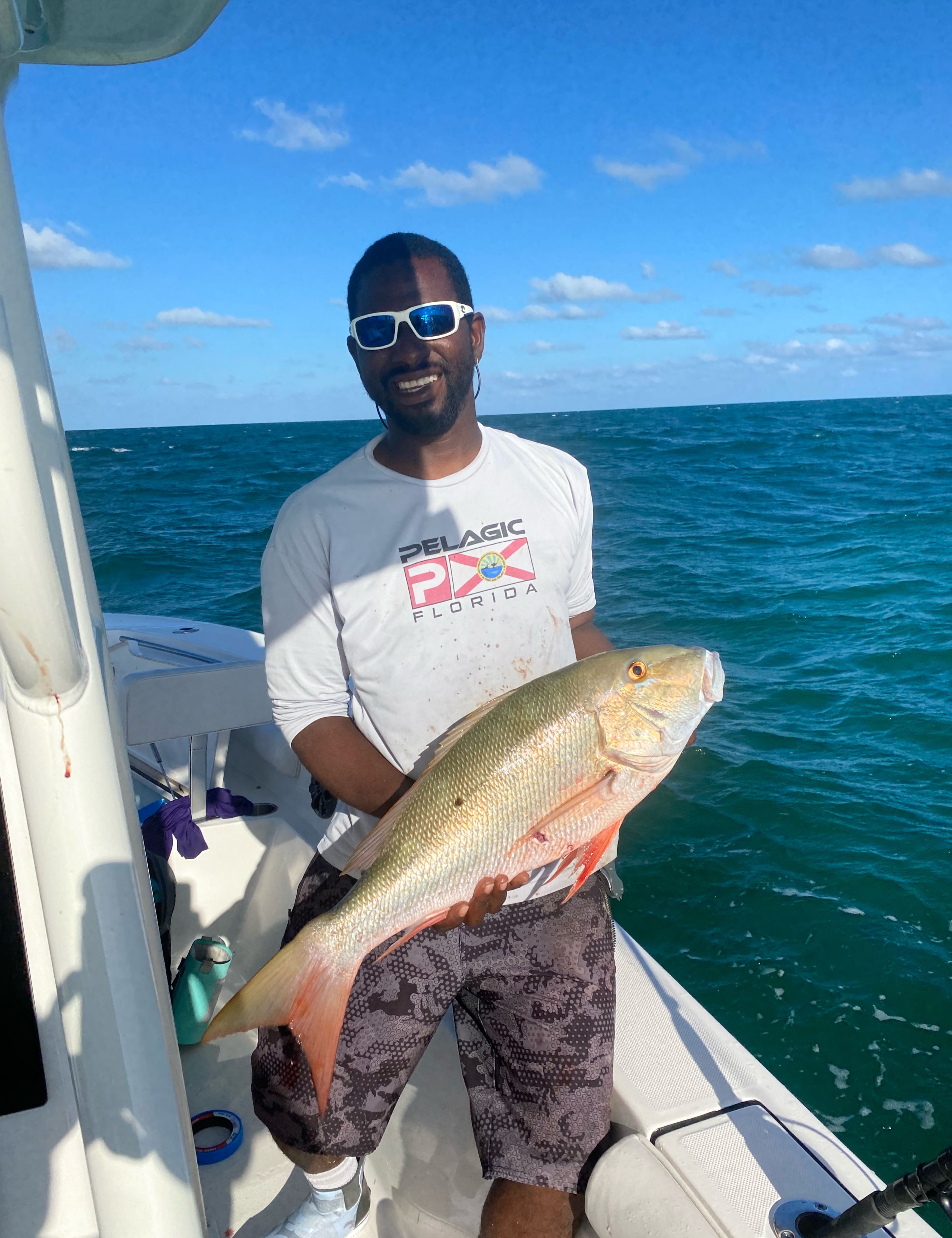
- Florida Keys Sportfishing Action in Key Largo!


Summary
This fishing charter in Key Largo showcased what makes local waters special. On a Wednesday in June, Captain Jason Calhoun's expertise brought a solid mutton snapper to the boat, delivering the kind of day that reminds you why saltwater fishing matters here.
Fishing Charter with Captain Jason Calhoun - Rates & Booking
Captain Jason Calhoun of Lock It Up Charters on Wednesday, June 4th delivered exactly what Key Largo fishing offers when conditions align. This fishing charter puts you on waters known for consistent snapper action and healthy fish populations. The experience centers on targeting species that respond well to proper technique and local knowledge - and this day proved it.
When booking with Lock It Up Charters, you're working with someone who understands the seasonal patterns and structure that bring fish to the boat. The charter experience includes access to proven fishing grounds and the guidance needed to land quality catches. Contact Lock It Up Charters directly to discuss available dates, group size options, and what's included with your charter package. Book online or call to reserve your spot on the water.
Highlights of This Fishing Experience
The mutton snapper landed on this charter represents exactly what anglers travel to Key Largo to experience. These fish are strong fighters that demand respect and proper technique. The size and health of this catch reflects the quality of the local fishery and the effectiveness of targeting the right structure at the right time.
Key Largo's waters hold consistent populations of snapper species throughout the year, with patterns that shift with season and water conditions. When you're working with a guide who reads these patterns, days like this become more predictable. The fight and the landing stay with you - that's the real outcome of a quality fishing charter.
Local Species Insights: Mutton Snapper
Mutton snapper rank among the most rewarding species in Key Largo waters. They hold in deeper structure, around reefs and drop-offs where they hunt for smaller fish and crustaceans. These snapper are intelligent and selective, which is why understanding their behavior matters more than random effort. They respond to patience and to presentations that match what naturally occurs in their environment.
The habitat around Key Largo supports healthy mutton snapper populations because the reef structure and water conditions create everything these fish need. You're fishing in an environment shaped by offshore reefs, channels, and the unique dynamics of the Keys. The water clarity, depth transitions, and natural food sources combine to make this location consistent for snapper fishing. When conditions cooperate, the fishing reflects it. When you're working with local expertise, you spend less time searching and more time positioned where the fish actually are.
Landing a mutton snapper of this caliber matters because it's not accidental. It comes from reading conditions, choosing the right approach, and executing when the moment arrives. This is what drives anglers back to Key Largo repeatedly - the combination of accessible fish, quality waters, and the satisfaction that comes from a catch that required real skill and timing.
Fishing in Key Largo: Mutton Snapper

Mutton Snapper (Lutjanus analis) is a highly prized game fish belonging to the family Lutjanidae and order Perciformes. These impressive saltwater fighters are instantly recognizable by their olive coloration that transitions from dark to light tones, combined with striking blue streaks beneath and behind their eyes and a distinctive small black spot on each flank. Found throughout the Caribbean and along coastal waters from Florida to South America, the Mutton Snapper represents one of the most exciting and rewarding catches for both recreational and experienced anglers alike.
Mutton Snapper Overview
The Mutton Snapper stands out as one of the most sought-after species in saltwater fishing communities. Known as "nice fighters" relative to other snapper species, these fish are incredibly durable and aggressive, making them an ideal target for anglers using lighter tackle. What makes them particularly special is their resilience and the thrilling battle they put up when hooked. Whether you're fishing in the shallow backcountry or deep reef structures, the Mutton Snapper delivers an unforgettable experience. Their popularity stems not only from their fighting prowess but also from their excellent table quality and the challenge they present even to seasoned anglers.
Mutton Snapper Habitat and Distribution
Mutton Snappers are particularly widespread throughout the Caribbean, inhabiting diverse reef environments from inshore to nearshore depths. These fish are commonly found from Florida to South America, with occasional sightings as far north as Massachusetts and south to southeastern Brazil. The species typically frequents depths ranging from 82 to 295 feet, though most anglers find them concentrated between 130 to 230 feet. They display remarkable habitat versatility, thriving near mangrove-lined inlets with strong tidal flow, along sandy areas adjacent to rock and coral formations, and in nearshore reef systems. Adult Mutton Snappers show a preference for rocky or coral-laden structures, while younger adolescent fish tend to inhabit sandy environments with progressive seagrass coverage. Around popular fishing destinations in South Florida, the Mutton Snapper can be found congregating just outside extreme reef formations where sandy bottoms meet hard structure.
Mutton Snapper Size and Weight
Adult Mutton Snappers can develop into substantial fish, with specimens reaching up to 37 inches in length, though most catches typically range around 20 inches. For typical angling purposes, expect to land fish weighing between 5 to 15 pounds, with the species capable of reaching recorded weights of up to 34 pounds under optimal conditions. The size variation is partly influenced by habitat quality and food availability, with larger specimens generally found in deeper reef systems and areas with abundant prey.
Mutton Snapper Diet and Behavior
The feeding habits of the Mutton Snapper evolve significantly throughout its life cycle. As larvae, these fish sustain themselves on plankton near the water's surface before transitioning to shallow grass beds as they mature, where they consume larger plankton and small organisms. Once reaching adulthood, their diet expands to include fish, shrimp, crabs, octopus, squid, and snails—making them opportunistic predators. A fascinating behavioral trait is their lack of specific feeding schedules; Mutton Snappers nourish themselves both day and night, continuously picking food items throughout daylight hours. Another intriguing characteristic is their color-adaptive ability: when inhabiting sandy areas, their typically pinkish coloration shifts to a more greyish tone. Adult Mutton Snappers are generally solitary creatures, typically observed in smaller groups rather than large schools, which explains why encounters with multiple fish in one location are particularly exciting for anglers.
Mutton Snapper Spawning and Seasonal Activity
While Mutton Snappers remain relatively active throughout the year, their reproductive cycles and seasonal movements align with broader snapper biology within tropical and subtropical waters. These fish tend to congregate in certain areas during specific seasons, though detailed spawning timelines require localized knowledge. Spring and early summer typically represent peak activity periods when Mutton Snappers move into shallower waters and become more aggressive feeders. Understanding local migration patterns in your fishing area—whether around South Florida reefs or other Caribbean hotspots—can significantly improve your success rates. Many experienced anglers report enhanced catches during periods of moderate weather conditions and during slack tide transitions when baitfish activity increases.
Mutton Snapper Techniques for Observation and Capture
Method 1: Live Bait Drifting. The most effective approach involves using the freshest bait available presented with a light sinker or knocker rig that allows natural movement in the current. When fishing shallow waters, drift your bait through chum slicks using minimal weight—Mutton Snappers absolutely love this presentation. The key is maintaining proper bait quality and compensating for water movement through slow, rhythmic bobbing motions. Watch for subtle takes and be prepared for explosive runs into nearby structure. Around Florida's backcountry systems and reef areas, this technique consistently produces quality strikes.
Method 2: Chumming and Surface Activity. Establishing a productive chum line brings Mutton Snappers to the surface where they become vulnerable to flies and jigs. Start your chum slick well before fishing and maintain consistent application. This method is particularly effective during calm conditions when you can see the fish approaching your bait. As they rise through the water column, you'll notice that telltale pinkish tinge appearing in the blue water—this is your signal to prepare for the hookset.
Method 3: Jig and Knocker Rigs. Employing a jig with a knocker rig allows your bait to float naturally in the current while maintaining contact with the bottom structure. This versatile approach works in both shallow and deeper waters. The rocking motion created by water movement often triggers aggressive strikes. Once hooked, expect the Mutton Snapper to make a determined run along the ocean floor or back toward reef structure, requiring steady pressure and quality tackle to successfully land your prize.
Mutton Snapper Culinary and Utilization Notes
The Mutton Snapper earns its popularity not just among anglers but also in the culinary world. With good odds for food quality, this species delivers excellent eating experiences with mild, flaky white flesh that takes well to various cooking methods. The flesh is firm enough to hold together during grilling, blackening, or pan-searing, while its subtle flavor profile allows for diverse preparation styles from simple seasoning to complex sauce pairings. From a nutritional standpoint, Mutton Snapper provides excellent protein content along with beneficial omega-3 fatty acids. The sustainability of the species varies by region and season, so check local regulations before keeping your catch. Many anglers practice catch-and-release to maintain healthy population levels, particularly in areas with established management protocols.
Mutton Snapper Frequently Asked Questions
Q: What is the best bait and presentation for catching Mutton Snapper?
A: Fresh bait is absolutely critical—use live or freshly dead shrimp, mullet, or squid presented on a light sinker or knocker rig. The presentation method matters as much as bait quality; allow your bait to drift naturally in the current rather than sitting statically on bottom. Many successful anglers use a slight bobbing motion to simulate struggling prey and trigger strikes.
Q: Where can I find Mutton Snapper near popular fishing destinations?
A: Mutton Snappers inhabit reef systems from inshore to nearshore depths, typically between 130 to 230 feet. Around South Florida and Caribbean locations, focus on areas where sandy bottoms meet hard reef or rock structure, particularly near inlets with strong tidal flow. Mangrove-lined backcountry areas also hold excellent populations, especially juveniles.
Q: Is Mutton Snapper good to eat?
A: Absolutely. Mutton Snapper offers excellent table quality with mild, flaky white flesh that's versatile in the kitchen. Grill it whole, blacken fillets, or use in ceviche—the meat's firmness and subtle flavor work beautifully with various preparations. Check local regulations regarding size and bag limits before keeping your catch, as conservation measures vary by region.
Q: When is the best time to catch Mutton Snapper?
A: Spring through early summer typically offers peak activity, when Mutton Snappers move into shallower waters and feed more aggressively. However, these fish remain catchable year-round in their preferred depth ranges. Periods of moderate weather and slack tide transitions often produce the best results, as baitfish activity increases during these windows.
Q: How do I distinguish Mutton Snapper from similar species like Lane Snapper?
A: Look for the distinctive blue streaks beneath and behind the eyes—Mutton Snappers display these striking markings prominently. Additionally, examine the rear edges of the anal and dorsal fins; Mutton Snappers have pointed rear edges, while Lane Snappers appear more rounded. The small black spot on each flank is also a reliable identifier.
Q: What tackle setup do I need for Mutton Snapper?
A: These are solid fighters known for aggressive runs and structure-seeking behavior, so use quality medium-weight spinning or conventional gear with sufficient line capacity (at least 200+ yards of 15-20 pound test). Given their tendency to run toward reef and rocky structures, reliable drag systems and sturdy rods designed for reef fishing will significantly improve your landing success rates and overall fishing experience.